Advanced Photonics &
Optoelectronics Lab

Publications

Our work in photonics, optoelectronics, and beyond.

86 publications · 2015–2026
† First author · * Corresponding author
Underlined · APOL student authors (including alumni)

2025

79

Multi-Level Optical Physical Unclonable Function Based on Random Surface Scattering for Hierarchical Cryptographic Protocols

J. J. Kim†, M. S. Kim†, and G. J. Lee*

Adv. Sci., 12, 46, e12317 (2025) JCR < 10%

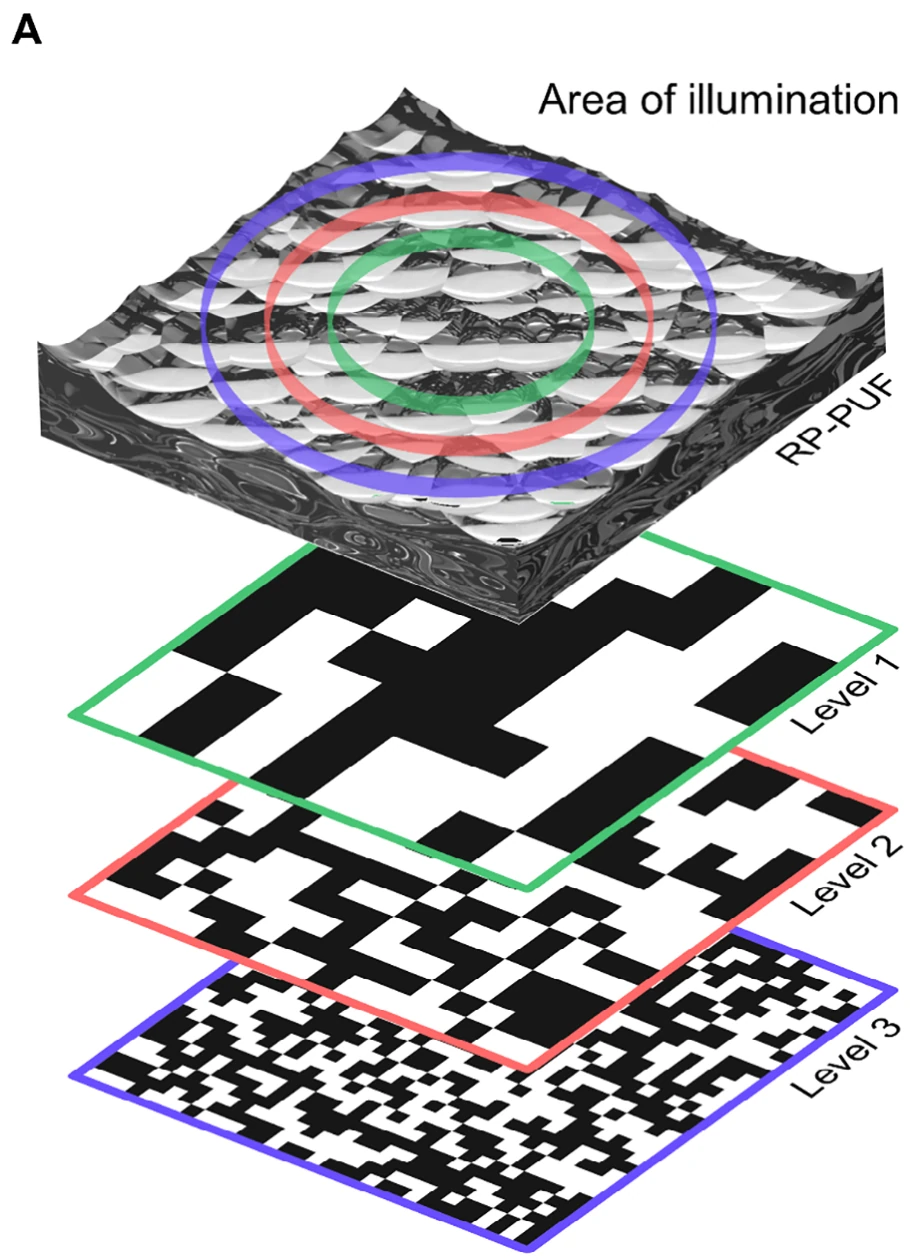
A multi-level optical physical unclonable function based on random surface scattering. Changing the illumination diameter tunes the speckle size, producing 64-, 256- and 1,024-bit keys from one device, all with excellent uniformity, uniqueness and randomness, demonstrated in hierarchical authentication from IoT devices to sensitive data and in multi-stage image encryption.

Figure adapted from Adv. Sci. (2025), CC BY 4.0.
↗
78

A soft hydrogel-based bilayer grating for moisture-driven actuation and optical encoding

C. Wang, C. Peng, J. J. Kim, Z. Ye, M. Zhang, X. Zhang, Y. Liu, X. Meng, W. Zhang, and G. J. Lee

Soft Matter 21, 45, 8733-8745 (2025)

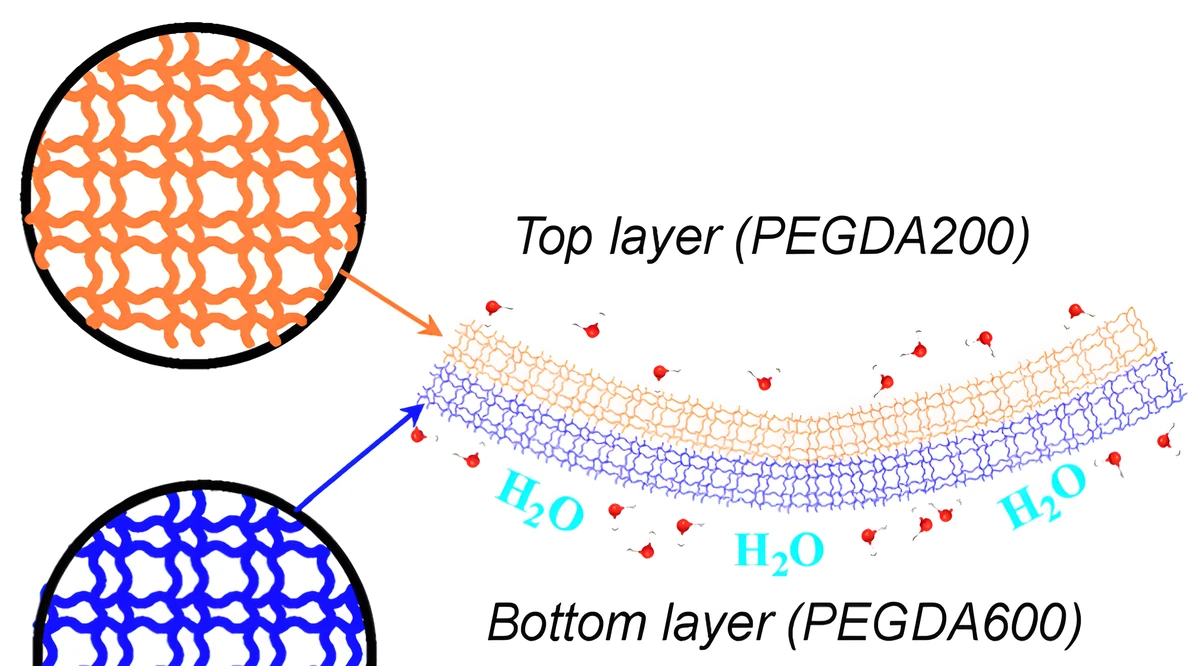
A soft hydrogel bilayer grating that bends with humidity and steers diffracted light. A PEGDA200 grating on a swelling PEGDA600 base curls as it absorbs moisture, shifting the diffraction angle in real time, and a geometric model links curvature to angle for quantitative optical humidity sensing and encoding.

Figure adapted from Soft Matter (2025) © Royal Society of Chemistry.

↗
77

Hierarchical assembly of upconversion nanoparticle–grating hybrids on flexible nanofibers for multi-level physical unclonable functions

X. Meng†, S. Qiang†, J. Li, J. J. Kim, M. Zhang, C. Wang, Z. Ye, Y. Cao*, W. Zhang*, and G. J. Lee

Nanoscale 17, 22513-22528 (2025)

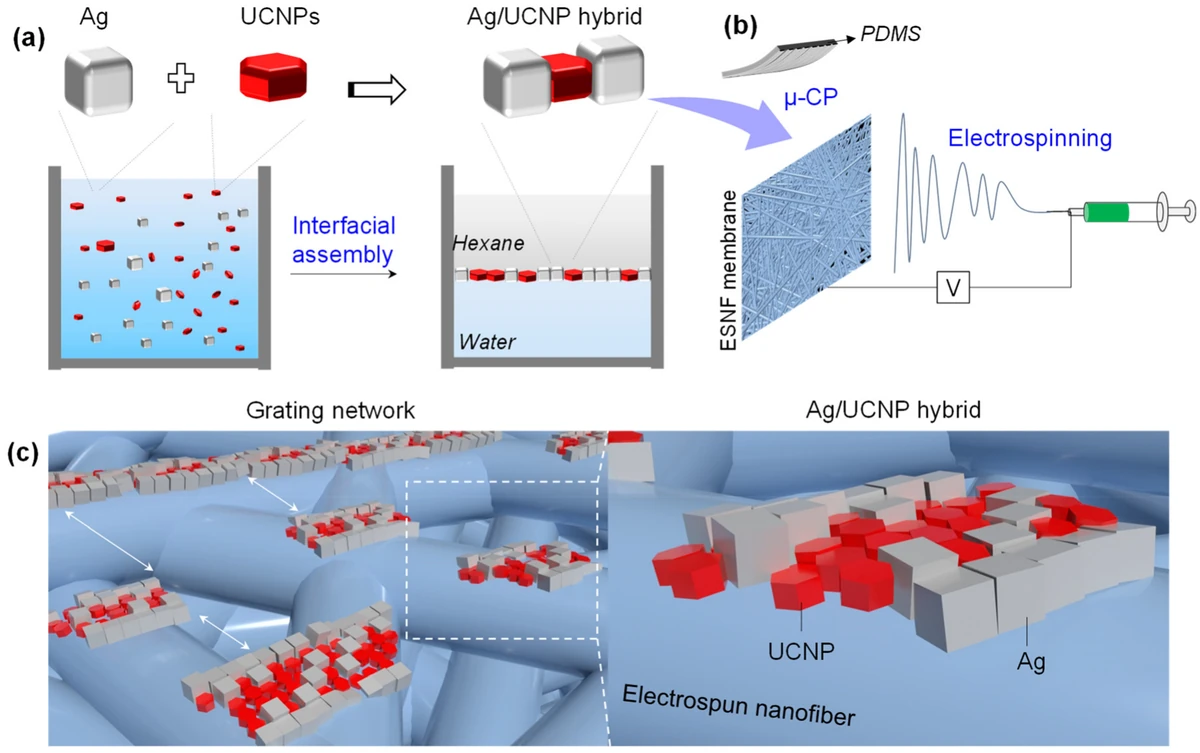
A multi-level physical unclonable function on flexible electrospun nanofibers. Silver nanocubes and upconversion nanoparticles co-assembled at an oil–water interface are printed as gratings onto the membrane, creating disorder and order across length scales and combining plasmon-enhanced luminescence with diffraction for document, packaging and data-security applications.

Figure adapted from Nanoscale (2025) © Royal Society of Chemistry.

↗
76

Solvent-Programmable Photonic Hydrogels with Tunable Transmittance, Fluorescence, and Diffraction

M. Zhang, C. Peng, J. J. Kim, W. Fan, C. Wang, Y. Liu, X. Meng*, Y. Ren, W. Zhang*, and G. J. Lee

Chemistry of Materials, 37, 17, 6562-6573 (2025)

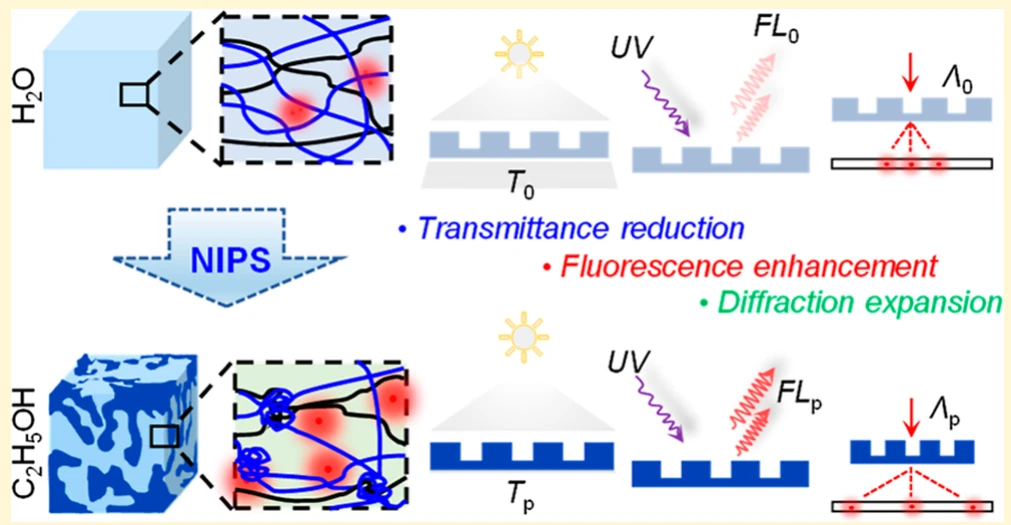
A solvent-programmable photonic hydrogel that switches three optical properties at once. Exposure to ethanol–water mixtures triggers reversible phase separation in a micropatterned, carbon-dot-doped hydrogel, simultaneously lowering transmittance, enhancing fluorescence and shifting diffraction through a single mechanism, for dynamic encryption, anti-counterfeiting and intelligent displays.

Figure adapted from Chemistry of Materials (2025) © American Chemical Society.

↗
75

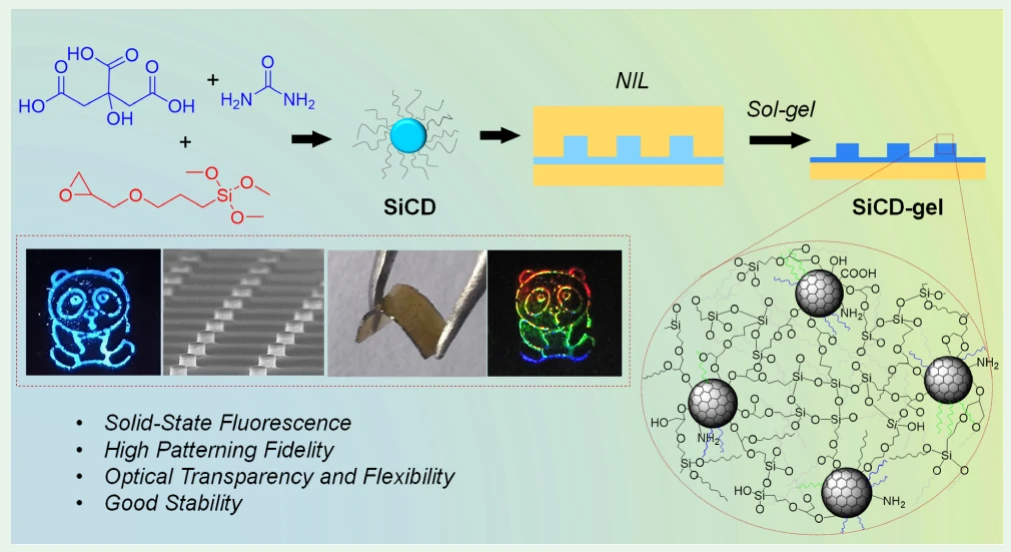
Patternable Siloxane-Functionalized Carbon Dots for Solid-State Luminescent Microstructures and Optical Security

Y. Liu, J. Li, X. Zhang, C. Wang, X. Meng*, D. Liu, W. Zhang*, J. Wei, and G. J. Lee

ACS Applied Nano Materials, 8, 29, 14596-14606 (2025)

Siloxane-functionalized carbon dots used both as the luminescent material and as a nanoimprint resist. Thermal nanoimprinting produces high-resolution fluorescent micro- and nanostructures, and tuning the ratio of citric acid to siloxane precursor improves solid-state brightness, transparency and gelation, enabling patterned luminescent coatings for displays and optical security.

Figure adapted from ACS Applied Nano Materials (2025) © American Chemical Society.

↗
74

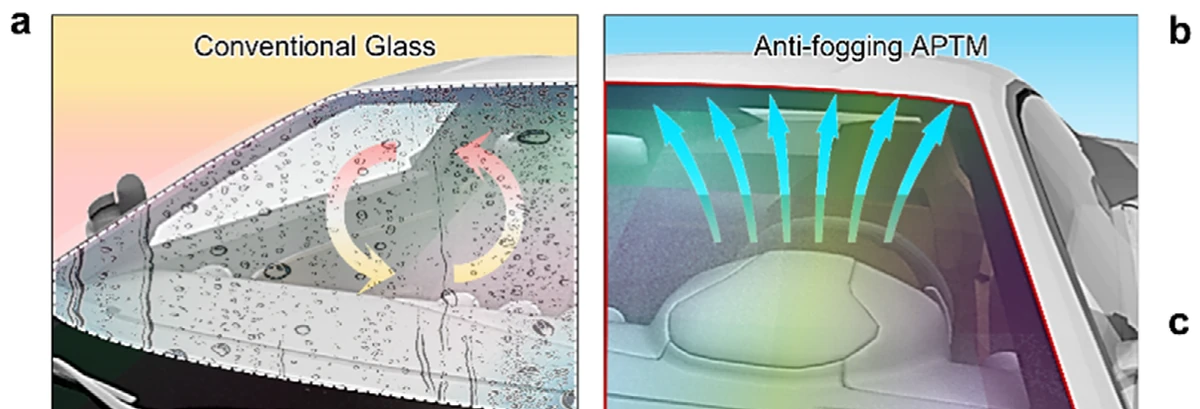
Color-Tunable Glass for Adaptable Thermal Management Based on Silver Phase Change

M. J. Hong†, S. K. Kim†, J. M. Im, I. H. Jeong, M. J. Kim, J. J. Kim, Y. J. Kim*, and G. J. Lee*

Adv. Sci., 12, 34, e05791 (2025) JCR < 10%

A color-tunable glass for adaptable thermal management made by simple annealing. Silver nanoparticles form on a TiO2 film and silver layer, and the annealing temperature sets whether the glass acts as a photothermal heater, useful for anti-fogging, or as a radiative cooler, while plasmonic resonance gives tunable color.

Figure adapted from Adv. Sci. (2025), CC BY 4.0.
↗
73

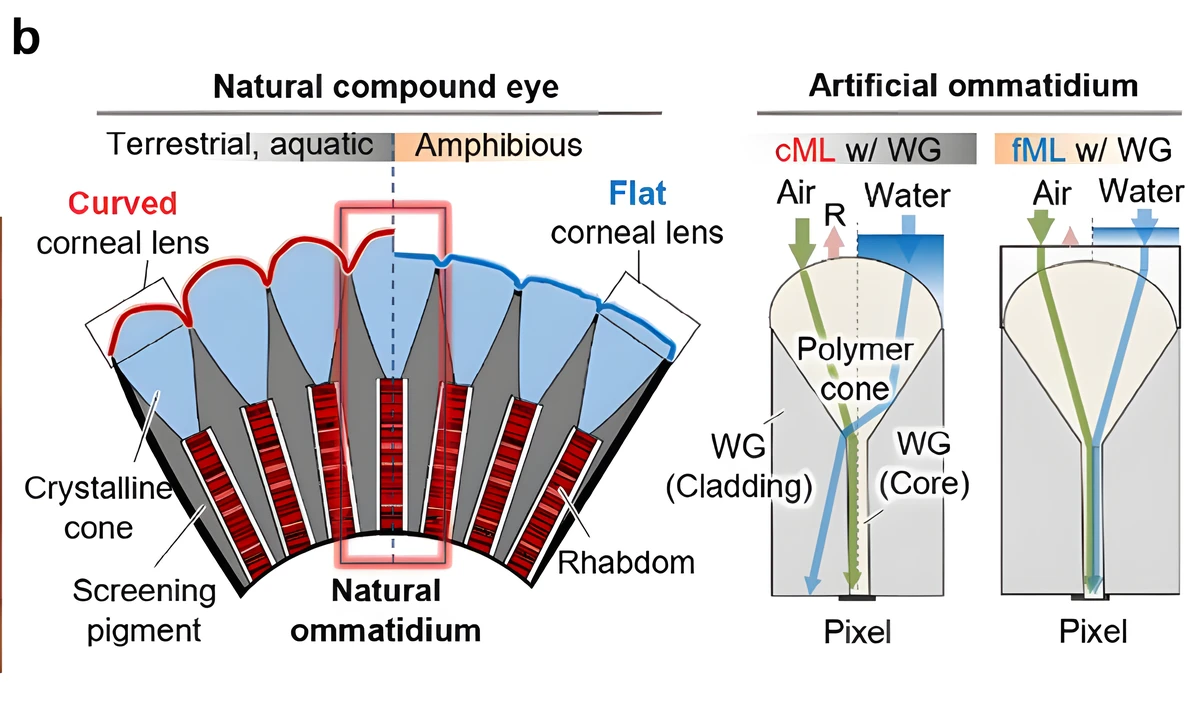
Self-Aligned Waveguide Array Integrated with Flat Microlenses for Environment-Adaptive and High-Resolution Compound Eye Vision

H. J. Jang, J.-E. Yeo, G. J. Lee*, H. H. Yoon*, Y. M. Song*

Adv. Opt. Mater., 13, 22, 2500926 (2025) JCR < 10%

An artificial compound eye that combines flat microlenses with self-aligned waveguides for stable, high-resolution imaging both in air and underwater. Unlike curved microlenses, the flat lenses keep their optical properties across environments, while waveguides positioned beneath each lens collect light efficiently, as confirmed by optical simulations and experiments.

Figure adapted from Adv. Opt. Mater. (2025), CC BY 4.0.

↗
72

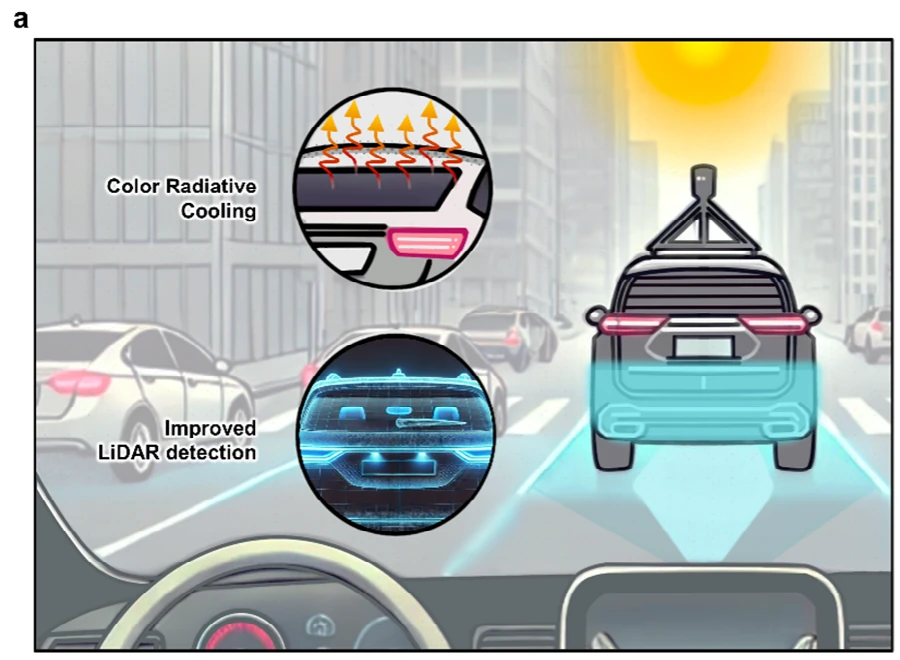
Dual-Function Ceramic Pigments for Energy-Efficient and Secure Autonomous Vehicles

I. H. Jeong†, Y.-J. Seo†, J. S. Hwang, G. H. Kim, Y. J. Kim, and G. J. Lee*

Adv. Sci., 12, 27, 2503901 (2025) JCR < 10%

Colored ceramic pigments that both cool vehicles and help LiDAR detection. Doped pigments reflect strongly in the near-infrared for radiative cooling, and scattering analysis shows the particles redirect incident light back toward its source, making cars painted with them easier for autonomous-driving LiDAR to detect.

Figure adapted from Adv. Sci. (2025), CC BY 4.0.
↗
71

Template-Guided Nondeterministic Assembly of Organosilica Nanodots for Multifunctional Physical Unclonable Functions

Y. Liu, M. Zhang, C. Wang, X. Meng*, X. Fang, W. Zhang*, T. Ding, D. Liu, G. J. Lee, and X. Chen

ACS Applied Materials & Interfaces, 17, 2, 4124-4136 (2025)

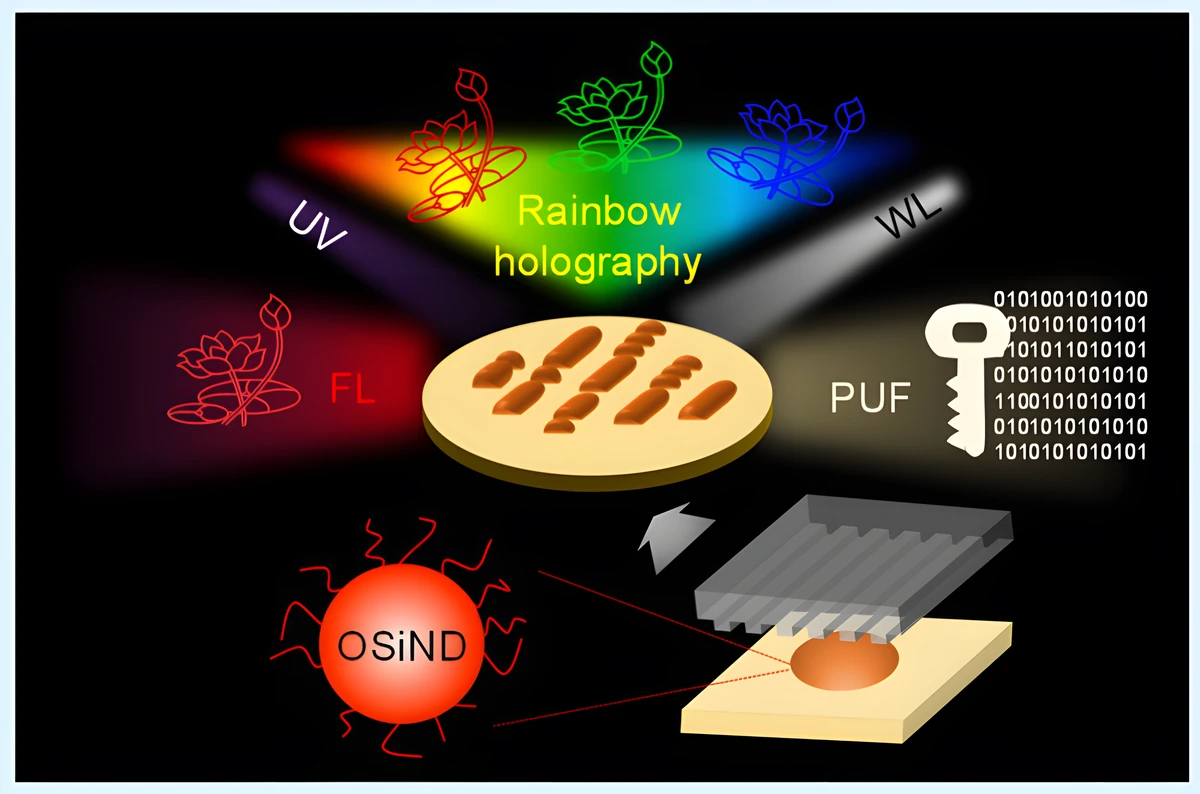
Organosilica nanodots assembled on a template to combine solid-state fluorescence, rainbow holography and a physical unclonable pattern in one security label. Precisely controlled dewetting forms nanoisland structures that brighten fluorescence and improve thermal stability, producing high-entropy encryption keys and multilevel anti-counterfeiting features verified under different light conditions.

Figure adapted from ACS Applied Materials & Interfaces (2025) © American Chemical Society.

↗