Advanced Photonics &
Optoelectronics Lab

Publications

Our work in photonics, optoelectronics, and beyond.

86 publications · 2015–2026
† First author · * Corresponding author
Underlined · APOL student authors (including alumni)

2024

70

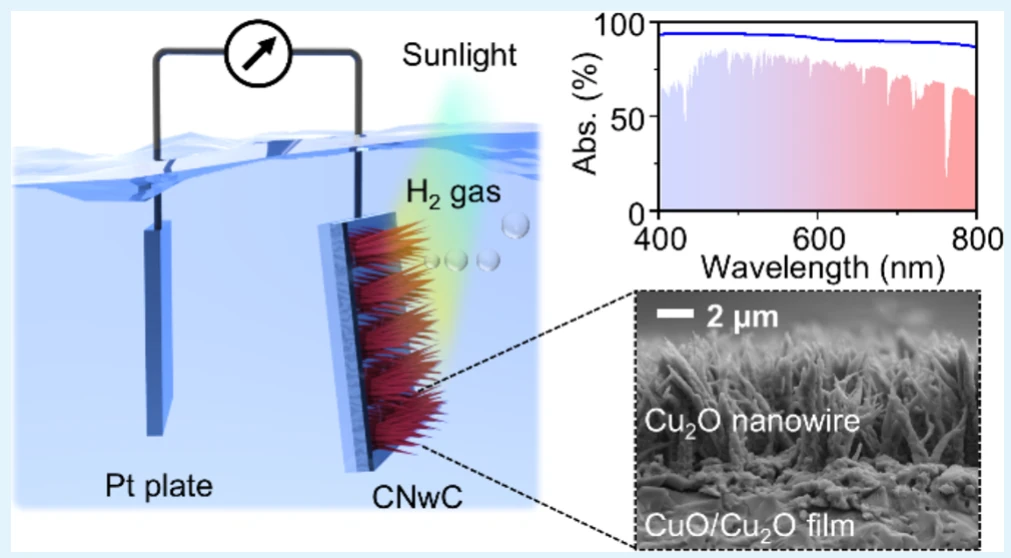
Near-Ideal Copper Oxide Heterostructure Design for Photoelectrochemical Water Splitting

M. J. Hong†, M. S. Kim†, S. B. Lee, S. K. Kim, Y. J. Kim*, and G. J. Lee*

ACS Applied Materials & Interfaces, 16, 43, 58556-58565 (2024)

A near-ideal copper oxide heterostructure for photoelectrochemical water splitting. Cu2O nanowires grown on a CuO/Cu2O mixed-phase film with a thin underlying chromium layer absorb light across the whole visible spectrum and form favorable band alignment, made by a straightforward electrochemical and thermal process for improved solar hydrogen generation.

Figure adapted from ACS Applied Materials & Interfaces (2024) © American Chemical Society.
↗
69

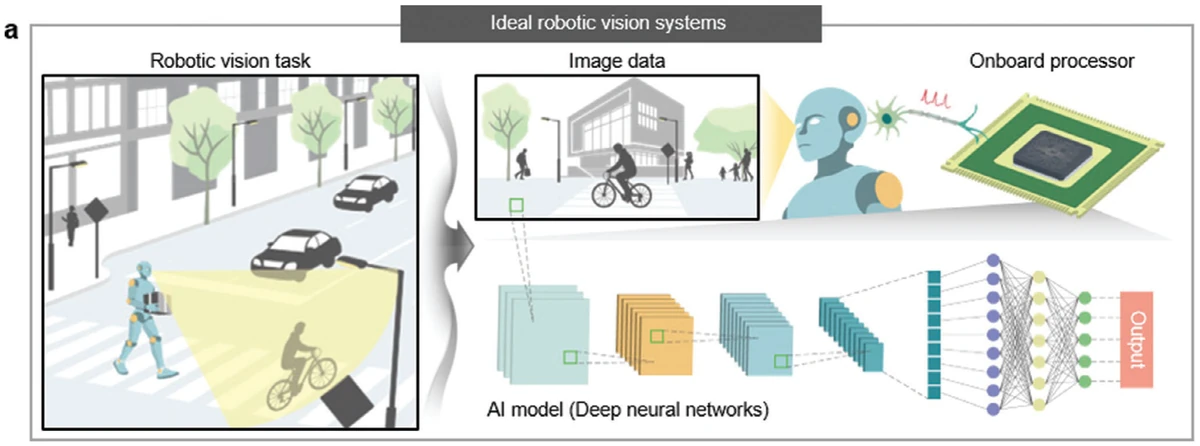
Inspiration from Visual Ecology for Advancing Multifunctional Robotic Vision Systems: Bio-inspired Electronic Eyes and Neuromorphic Image Sensors

C. Choi†, G. J. Lee†, S. Chang†, Y. M. Song*, and D.-H. Kim*

Adv. Mater., 36, 48, 2412252 (2024) JCR < 10%

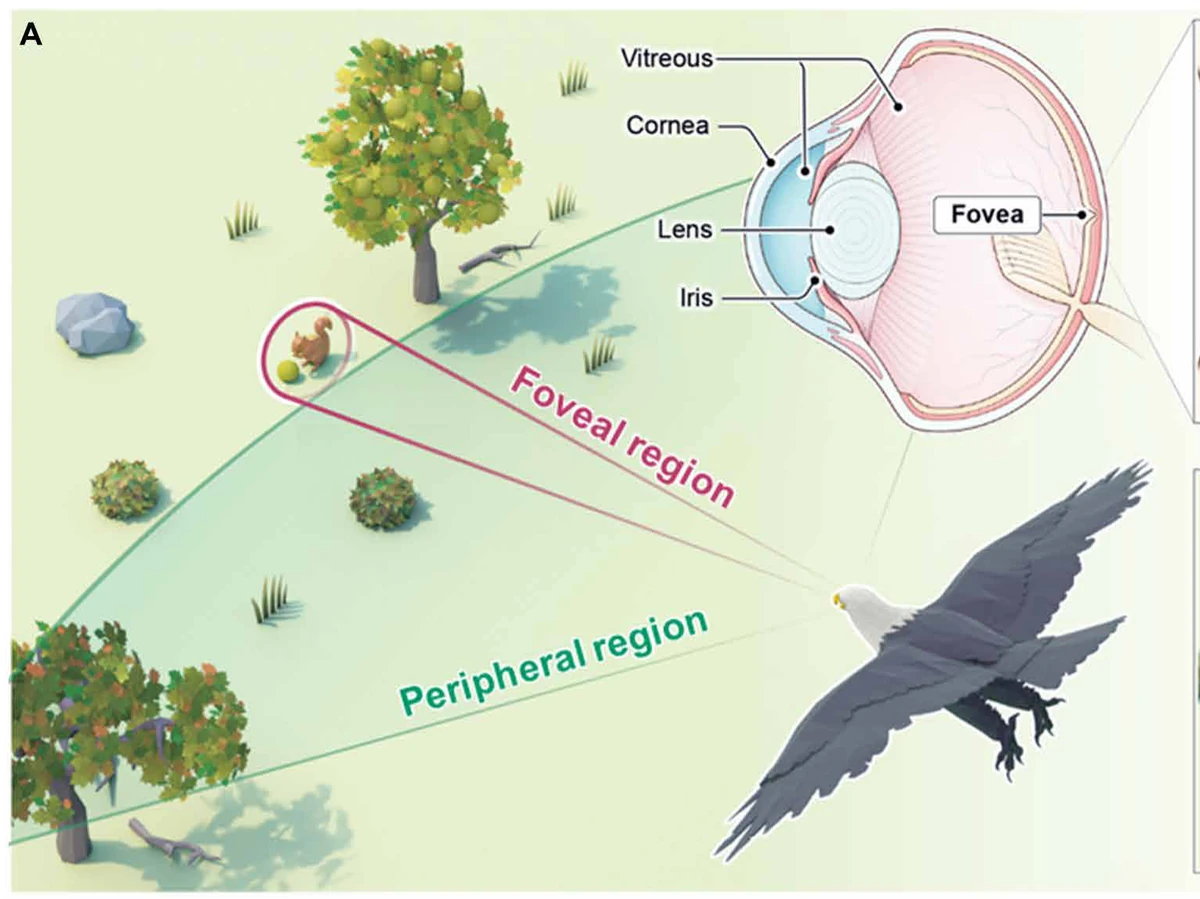
A review of multifunctional robotic vision inspired by visual ecology. It explores the unique imaging functions of eyes in terrestrial, aerial and aquatic animals and the way humans process visual signals, then discusses bio-inspired electronic eyes and neuromorphic image sensors that bring these capabilities to robots working in unstructured environments.

Figure adapted from Adv. Mater. (2024) © Wiley-VCH.

↗
68

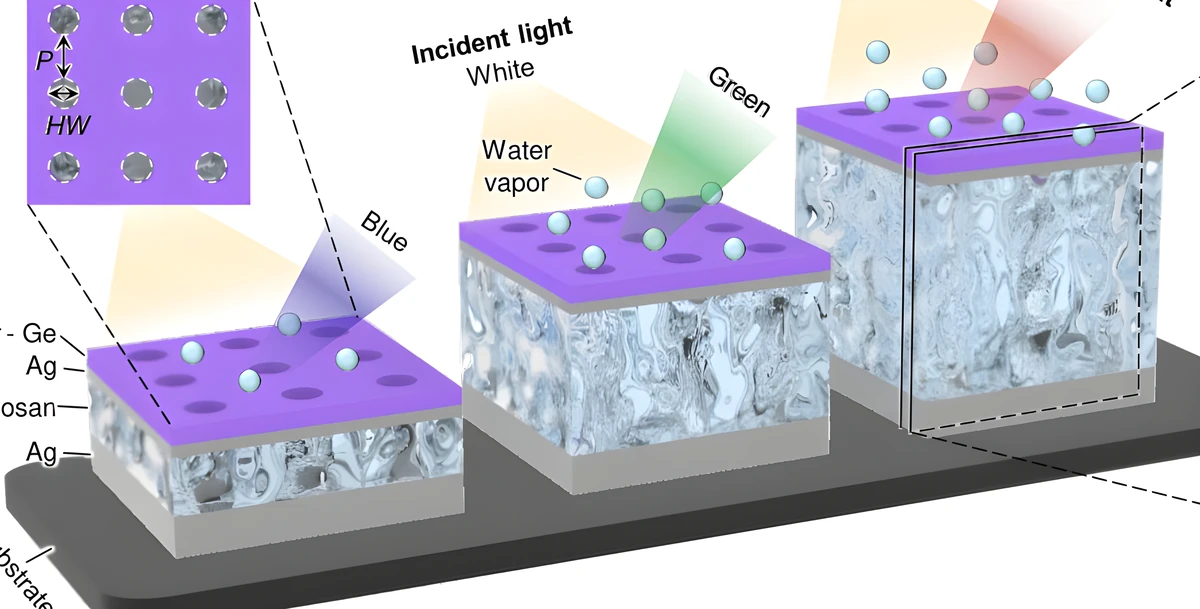
Ultrafast, Fano resonant colorimetric sensor with high chromaticity beyond standard RGB

H. J. Nam†, J. H. Ko†, H. E. Jeong, Y.-W. Oh, S. Jung, I.-S. Kang*, Y. M. Song*, and G. J. Lee*

Optica 11, 10, 1425-1436 (2024) JCR < 10%

A fast colorimetric humidity sensor based on Fano resonance. A swelling hygroscopic layer combined with a nanostructured resonator produces colors that extend beyond the standard RGB gamut and responds to humidity changes within a very short time, enabling real-time atmospheric monitoring that can be read directly with the naked eye.

Figure adapted from Optica (2024) © Optica Publishing Group.

↗
67

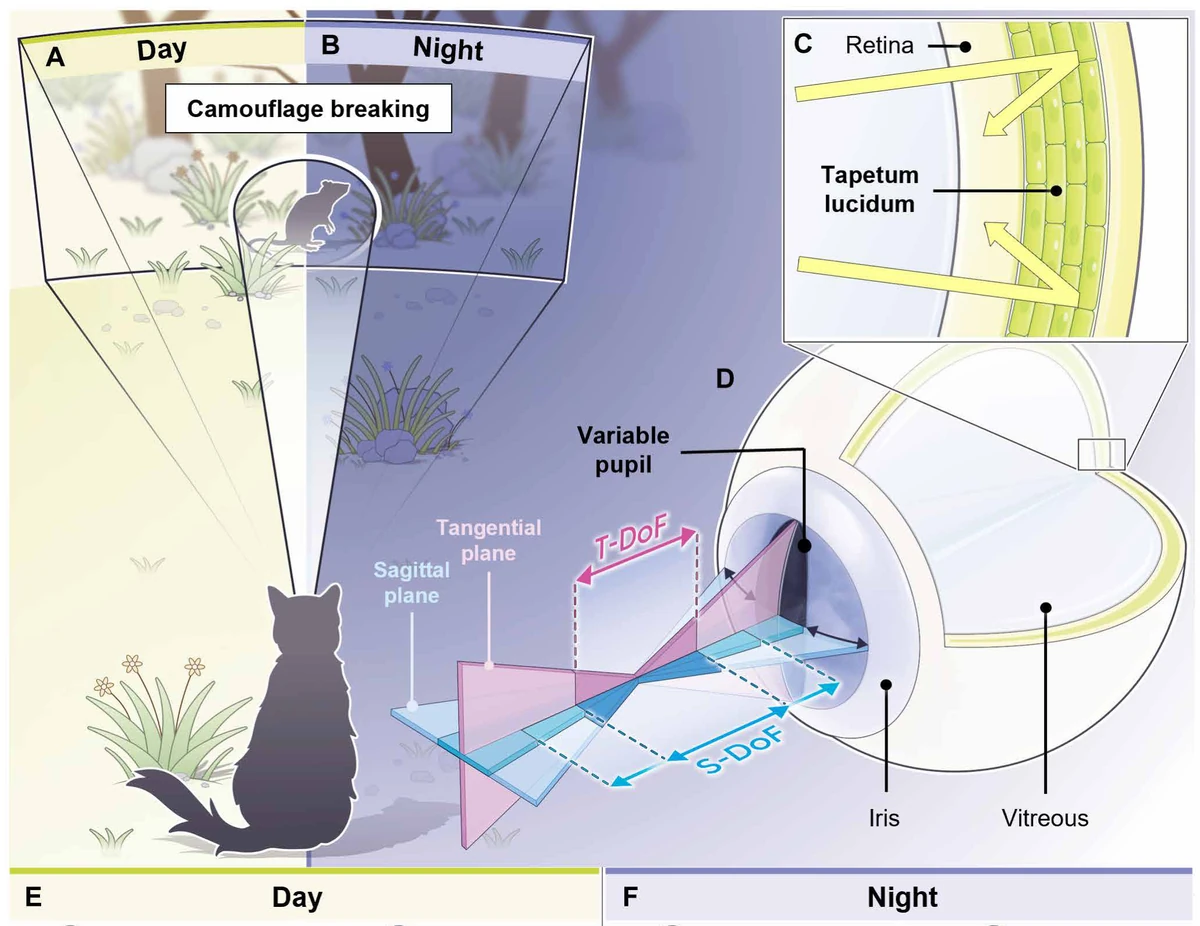
Feline eye–inspired artificial vision for enhanced camouflage breaking under diverse light conditions

M. S. Kim†, M. S. Kim†, M. Lee†, H. J. Jang, D. H. Kim, S. Chang, M. Kim, H. Cho, J. Kang, C. Choi, J. P. Hong, D. K. Hwang, G. J. Lee*, D.-H. Kim*, and Y. M. Song*

Sci. Adv. 10, 38, adp2809 (2024) JCR < 10%

An artificial vision system inspired by the feline eye for breaking camouflage. A vertical slit-like pupil and a patterned metal reflector beneath a hemispherical silicon photodiode array reduce glare in bright light and boost sensitivity in the dark, improving object detection and recognition in a single-lens camera.

Figure adapted from Sci. Adv. (2024) © AAAS.

↗
66

Nanowire-based artificial photoreceptors with multi-hyperuniformity inspired by chicken retina

M. J. Hong†, M. J. Kim†, S. B. Lee, Y. M. Song*, and G. J. Lee*

Opt. Express 32, 20, 35331-35344 (2024)

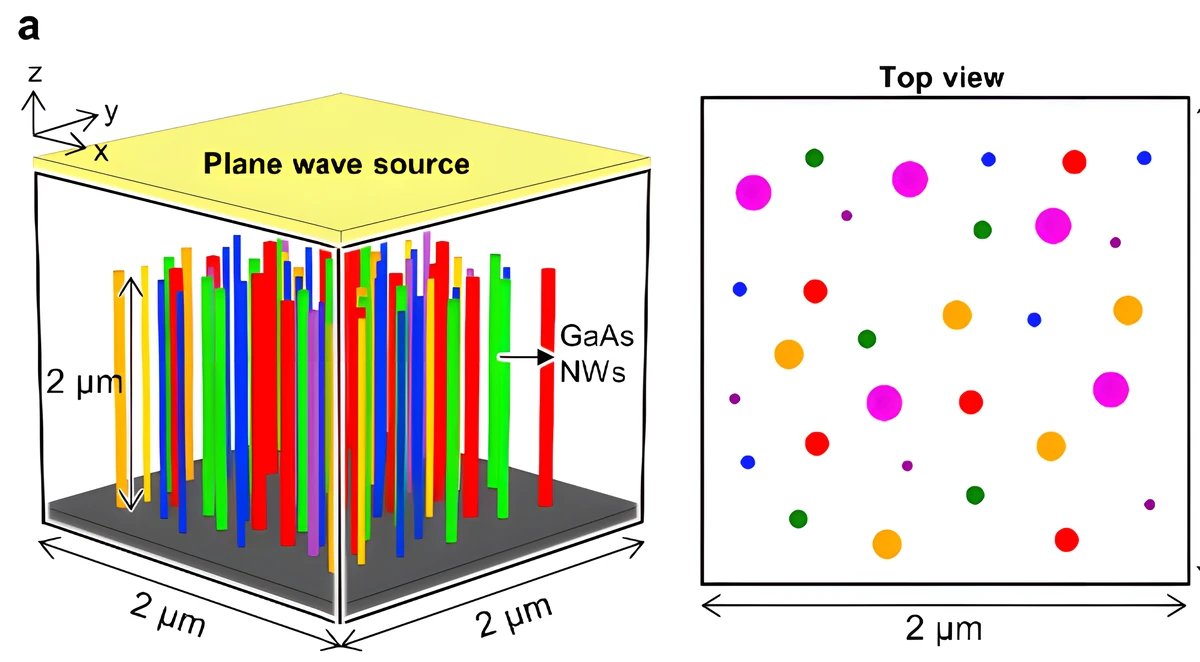
Design strategies for nanowire-based artificial photoreceptors inspired by the hyperuniform distribution of chicken retinal cells. Full-wave simulations at the sub-micron scale, where wave-optics effects dominate, show that hyperuniformly patterned nanowires give better selectivity for red, green, blue and near-infrared light than other layouts, without any additional color filters.

Figure adapted from Opt. Express (2024) © Optica Publishing Group.

↗
65

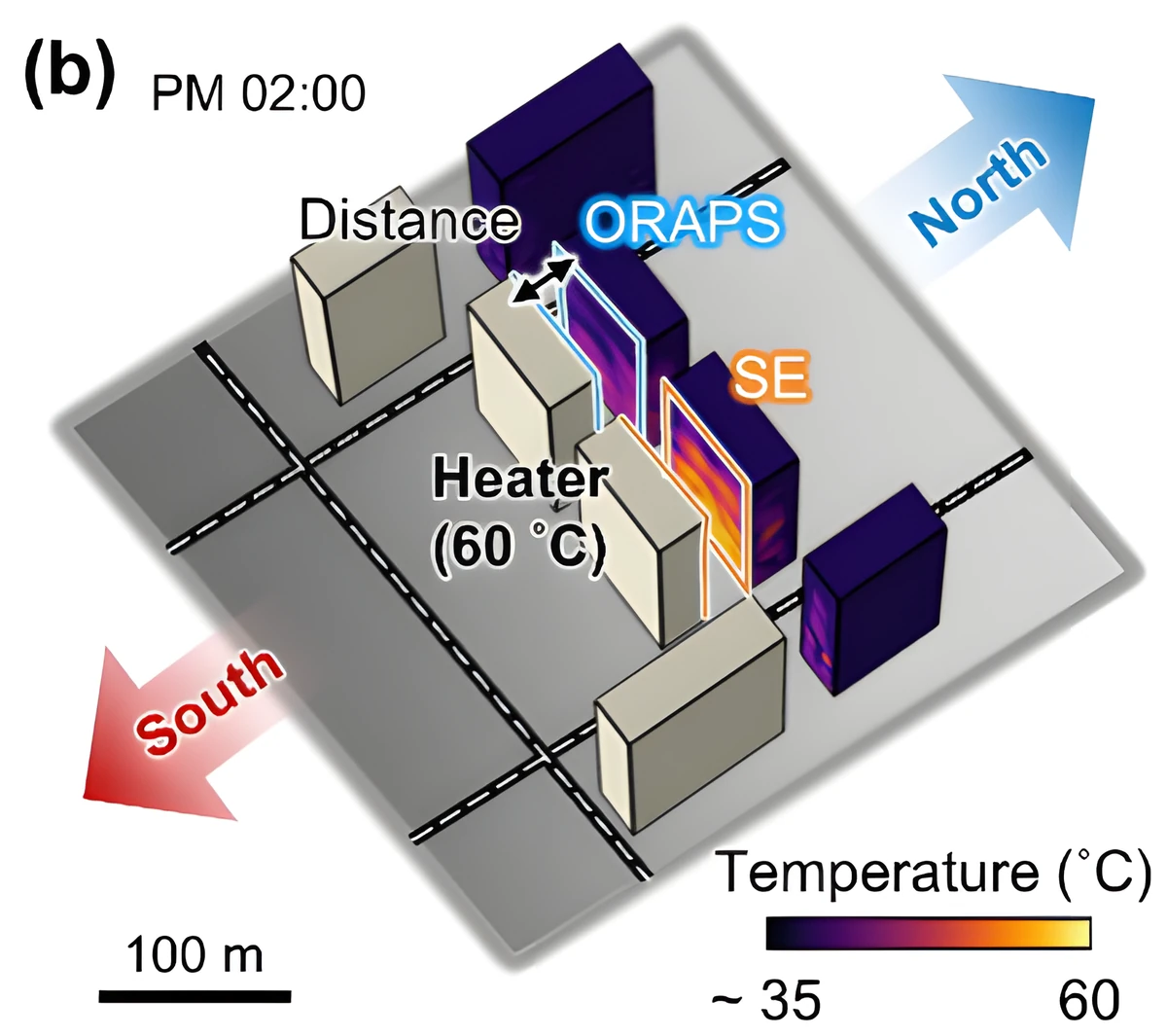
Angular selective broadband radiative cooling based on Berreman mode

D. G. Ryu†, J. T. Kim†, M. S. Kim, J. J. Kim, H. J. Nam, I. H. Jeong, Y. J. Kim, and G. J. Lee*

Opt. Express 32, 19, 33016-33028 (2024)

An oblique radiation-angled photonic structure that lets radiative coolers work on building facades rather than only on roofs. It directs thermal emission toward the sky while avoiding neighboring buildings and reflects incoming radiative heat, and simulations across many environmental parameters show benefits both for densely packed megacities and for thermoregulation in winter.

Figure adapted from Opt. Express (2024) © Optica Publishing Group.

↗
64

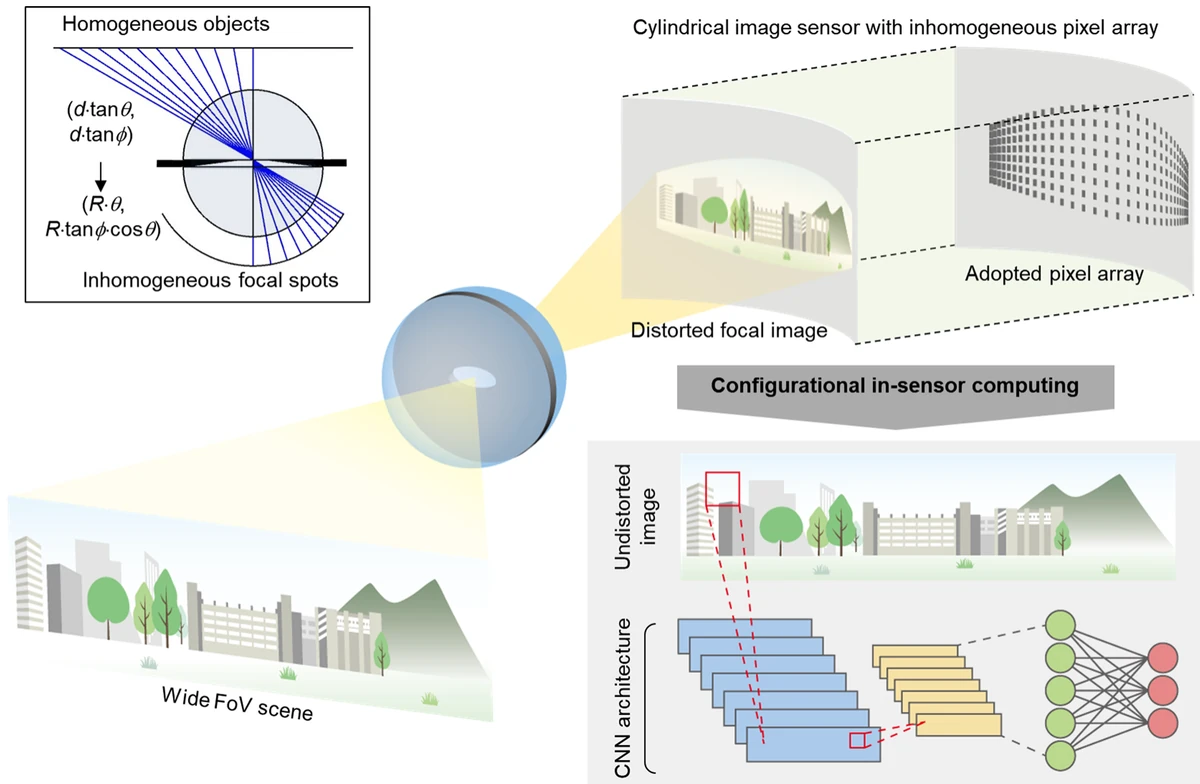
Anti-distortion bioinspired camera with an inhomogeneous photo-pixel array

C. Choi, H. Hinton, H. Seung, S. Chang, J. S. Kim, W. You, M. S. Kim, J. P. Hong, J. A. Lim, D. K. Hwang, G. J. Lee, H. J., Y. M. Song*, D.-H. Kim*, D. Ham*

Nat. Commun., 15, 6021 (2024) JCR < 10%

An anti-distortion bioinspired camera with a single lens and a curved image sensor. Its 4096 silicon photodiodes are arranged in a nonuniform pattern warped the same way as the optics distort the image, cancelling distortion in hardware across a 120° view, as confirmed by neural-network recognition accuracy.

Figure adapted from Nat. Commun. (2024), CC BY 4.0.

↗
63

Avian eye–inspired perovskite artificial vision system for foveated and multispectral imaging

J. Park†, M. S. Kim†, J. Kim†, S. Chang, M. Lee, G. J. Lee, Y. M. Song*, and D.-H. Kim*

Sci. Robot., 9, 90, eadk6903 (2024) JCR < 3%

An artificial vision system inspired by avian eyes. An artificial deep fovea magnifies the central image, making it easier to track distant moving objects, while vertically stacked perovskite photodetector arrays capture visible and ultraviolet light for multispectral imaging, so targets stand out against complex backgrounds in dynamic environments.

Figure adapted from Sci. Robot. (2024) © AAAS.

↗
62

Enhanced color-preserving radiative coolers for versatile architectural applications

J. T. Kim†, S. K. Jeon†, M. S. Kim, D. H. Yeo, S. Nahm, Y. J. Kim*, and G. J. Lee*

Adv. Opt. Mater., 12, 18, 2400144 (2024) JCR < 10%

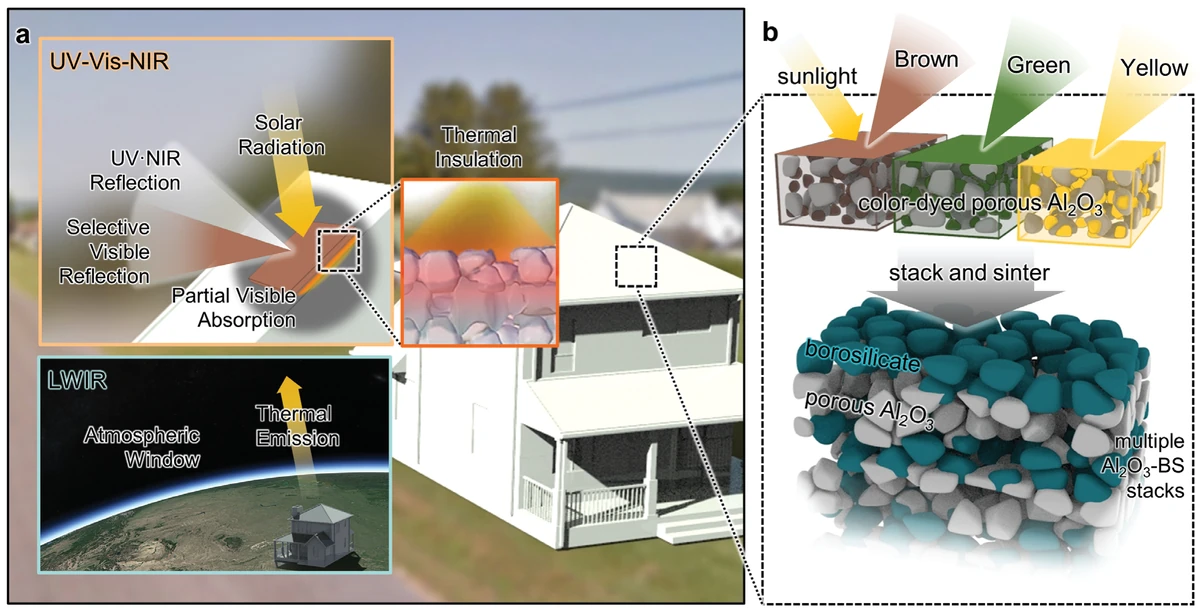
A color-preserving radiative cooler for buildings based on glass-infiltrated ceramics. Blending ceramic pigment into the top porous alumina layer adds brown, green or yellow color while keeping the thermal insulation, durability and strong thermal emission of the all-ceramic cooler, reducing the cooling penalty that usually comes with color.

Figure adapted from Adv. Opt. Mater. (2024), CC BY 4.0.

↗
61

Deep learning-assisted inverse design of nanoparticle-embedded radiative coolers

M. J. Kim†, J. T. Kim, M. J. Hong, S. W. Park, and G. J. Lee*

Opt. Express 32, 9, 16235-16247 (2024)

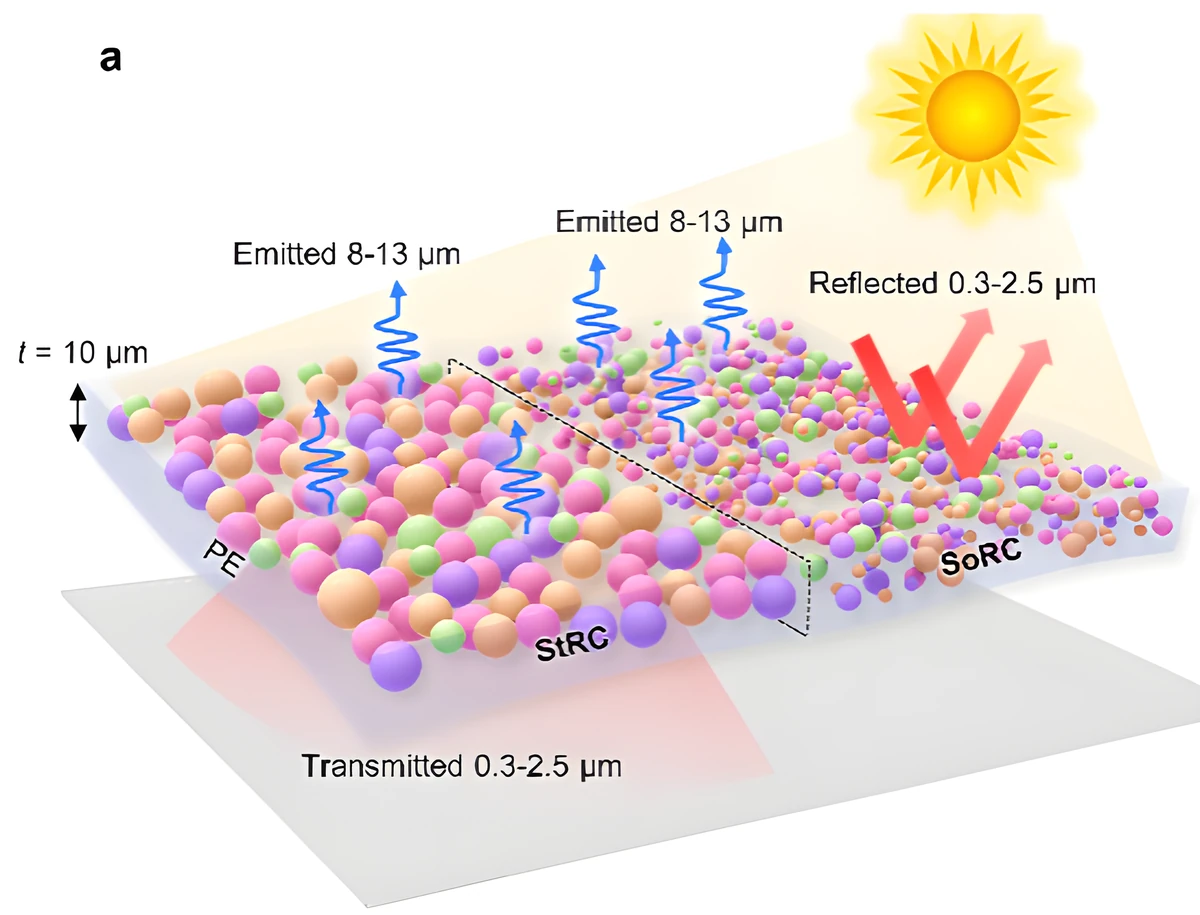
A deep-learning inverse design method for thin-film radiative coolers made of nanoparticle-embedded polyethylene. Neural networks determine the optical constants, material volume ratios and particle size distributions needed for either solar-transparent or solar-opaque coolers, using Mie scattering and effective medium theory, and their optical and thermal performance is evaluated.

Figure adapted from Opt. Express (2024) © Optica Publishing Group.

↗
60

Bio-inspired tunable optics and photonics: bridging the gap between nature and technology

D. H. Kim†, J. J. Kim†, D.-J. Kong, G. J. Lee*, and Y. M. Song*

Int. J. Optomechatronics 18, 1, 2334293 (2024)

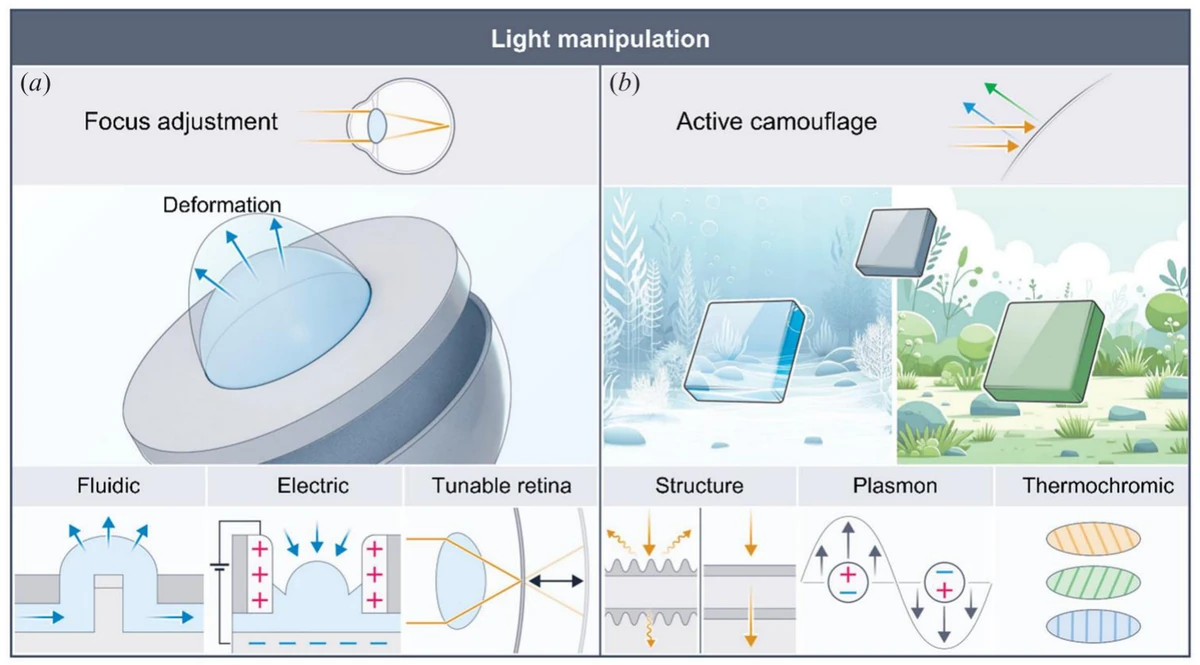
A review of bio-inspired tunable optics and photonics. It examines how biological eyes and skins manipulate and adapt to light—through focus adjustment, active camouflage, intensity control and sensitivity enhancement—and how these mechanisms are translated into artificial tunable devices, from consumer electronics to next-generation technologies, highlighting current progress and open challenges.

Figure adapted from Int. J. Optomechatronics (2024), CC BY 4.0.

↗
59

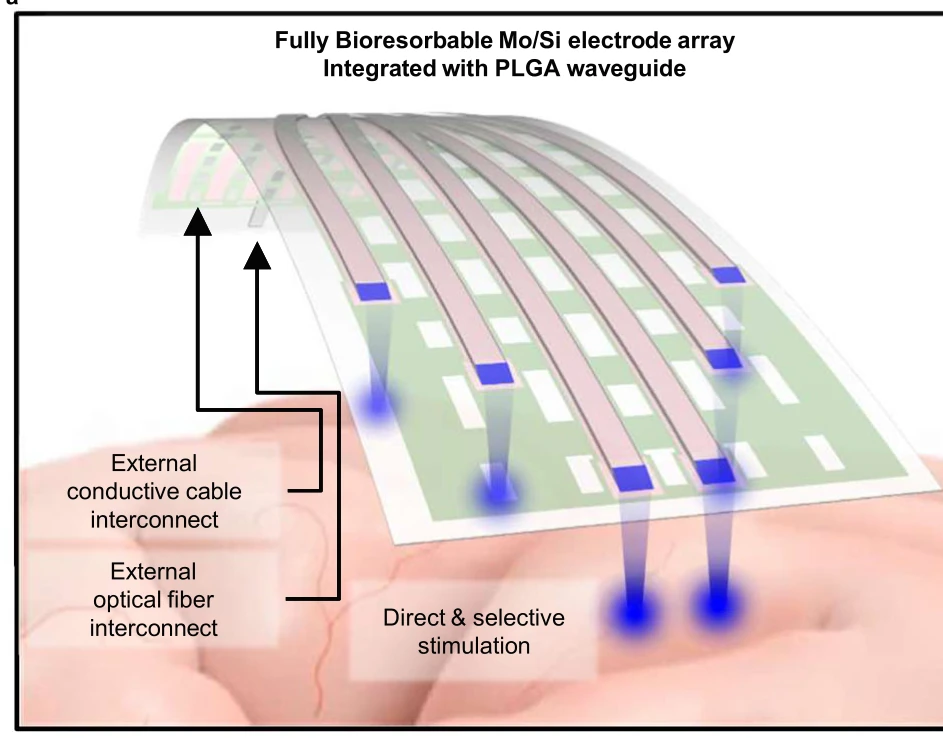
Fully bioresorbable hybrid opto-electronic neural implant system for simultaneous electrophysiological recording and optogenetic stimulation

M. Cho†, J.-K. Han†, J. Suh†, J. J. Kim, J. R. Ryu, I. S. Min, M. Sang, S. Lim, T. S. Kim, K. Kim, K. Kang, K. Hwang, K. Kim, E.-B. Hong, M.-H. Nam, J. Kim, Y. M. Song, G. J. Lee*, I.-J. Cho*, and K. J. Yu*

Nat. Commun. 15, 2000 (2024) JCR < 10%

A fully bioresorbable neural implant that records brain activity and delivers optogenetic stimulation at the same time. A biodegradable waveguide and electrode array conform to the cortex, are optimized to reduce light loss and photoelectric artifacts, and were implanted in transgenic mice before dissolving, removing the need for removal surgery.

Figure adapted from Nat. Commun. (2024), CC BY 4.0.

↗
58

Nanomaterial-Based Artificial Vision Systems: From Bioinspired Electronic Eyes to In-Sensor Processing Devices

C. Choi†, G. J. Lee†, S. Chang†, Y. M. Song*, and D.-H. Kim*

ACS Nano 18, 2, 1241-1256 (2024) JCR < 10%

A review of nanomaterial-based artificial vision for robots. It covers electronic eyes inspired by biological eyes and in-sensor processing devices inspired by animal visual recognition, explaining how the electrical, optical and mechanical properties of nanomaterials go beyond silicon, and outlines the remaining challenges for high-performance robotic vision.

Figure adapted from ACS Nano (2024) © American Chemical Society.
↗
57

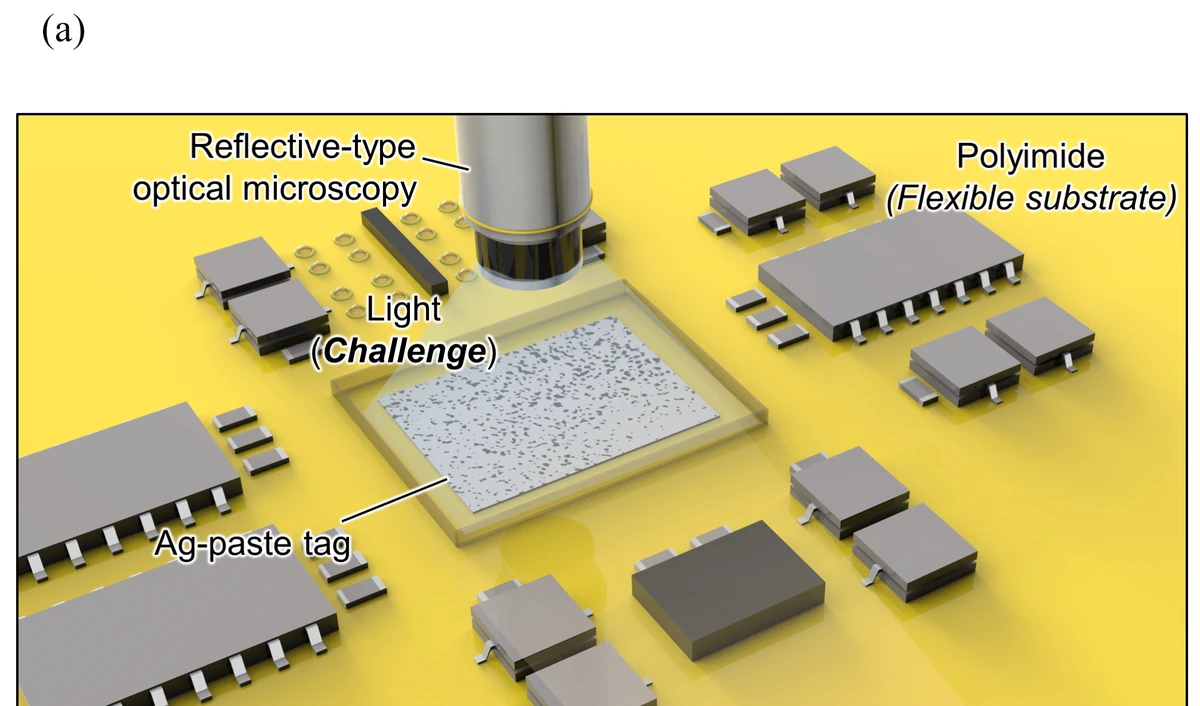
Flexible and Wearable Encryption Primitive Based on Optically Unclonable Functions

M. S. Kim†, M. H. Kang†, J. S. Kim, Y. K. Hong*, and G. J. Lee*

IEEE J. Sel. Top. Quantum Electron. 30, 3, 1-8 (2024)

A flexible, wearable optical physical unclonable function for securing wearable devices. Screen-printed silver paste on a polyimide substrate forms random micro-scale surface morphology that is read with a reflective optical microscope as a unique response, offering a robust identifier against online and offline intrusion that can be embedded directly into wearable electronics.

Figure adapted from IEEE J. Sel. Top. Quantum Electron. (2024) © IEEE.

↗